
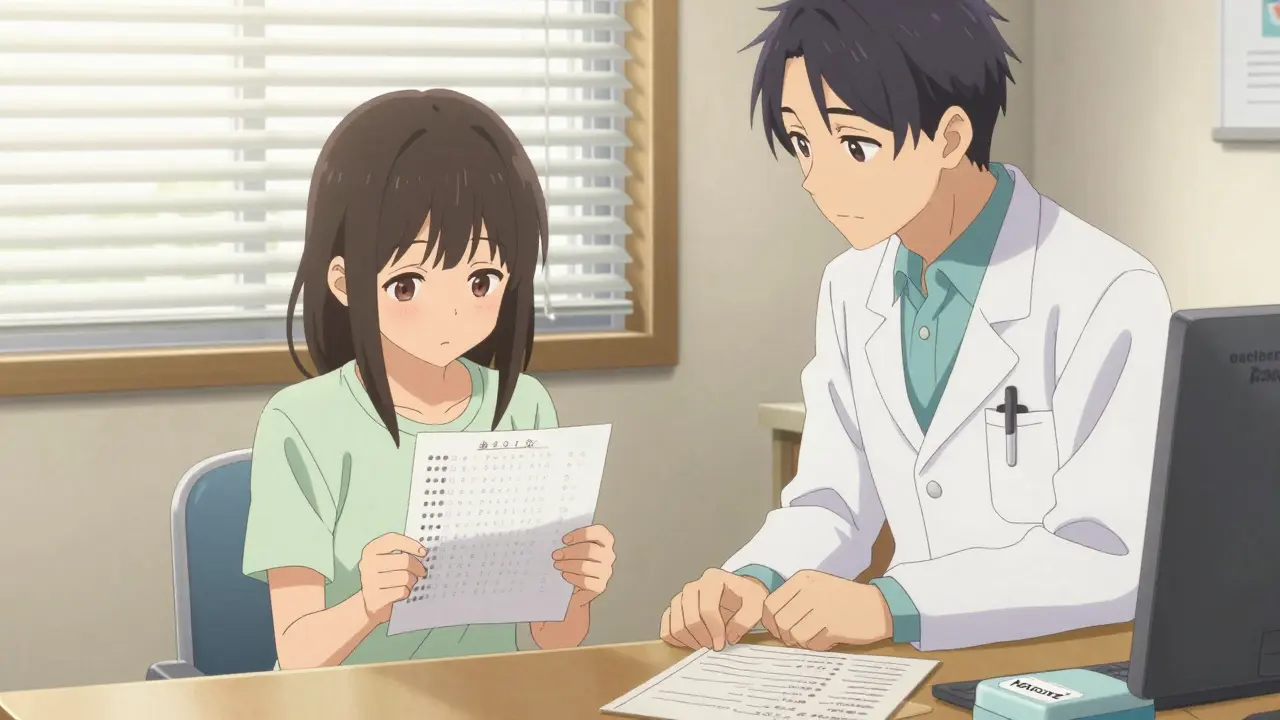
It’s hard to say out loud that you’re afraid you might overdose. Maybe you’re on opioids for chronic pain. Maybe you’ve used alcohol or other substances to cope. Maybe you’re not sure if you’re at risk-but you feel uneasy, and you know you should talk to your doctor. But what if they judge you? What if they think you’re just looking for drugs? You’re not alone. Overdose risk is real, and so is the silence around it. Too many people avoid this conversation because they’ve been made to feel ashamed. But you don’t have to. There’s a way to talk about this that works-and it doesn’t require you to beg for help.
Why This Conversation Matters More Than You Think
Every day in the U.S., 78 people die from opioid overdoses. That’s not a statistic-it’s someone’s parent, sibling, friend, or neighbor. And the number one reason people don’t get help before it’s too late? Stigma. Not lack of access. Not cost. Not even ignorance. It’s the fear of being labeled as weak, reckless, or dishonest. The good news? Doctors are trained to help. The CDC, AMA, and SAMHSA all agree: overdose prevention is part of routine care. Naloxone isn’t just for people who use heroin. It’s for anyone on long-term opioids, anyone mixing medications, anyone who’s ever felt like they might lose control. It’s like having an EpiPen for allergies. You don’t ask permission to carry one. You just do it.What to Say (and What Not to Say)
The words you use change everything. Saying, “I’m scared I might overdose,” can trigger defensiveness. Saying, “I’d like to discuss overdose prevention as part of my safety plan,” changes the tone completely. Here’s what works:- “I’m on opioids for pain, and I want to make sure I’m safe. Can we talk about overdose risk?”
- “I’ve heard naloxone can reverse an overdose. Can I get a prescription, just in case?”
- “I want to be proactive about my health. Can we go over my full medication list and make sure nothing’s dangerous together?”
- “I think I have a problem.” (Too vague. Triggers assumptions.)
- “I’m addicted.” (Labeling yourself invites judgment.)
- “I’m worried I might use too much.” (Sounds like you’re asking for permission.)
Prepare Before You Walk In
Don’t wing it. Bring a written list. Not a confession. A record. Write down:- All medications you take (including prescriptions, OTC painkillers, sleep aids)
- Alcohol use (how many drinks, how often)
- Any other substances-even if you think they’re “not a big deal”
- Any times you’ve felt dizzy, passed out, or had trouble breathing after taking something
- Any family history of substance use or overdose
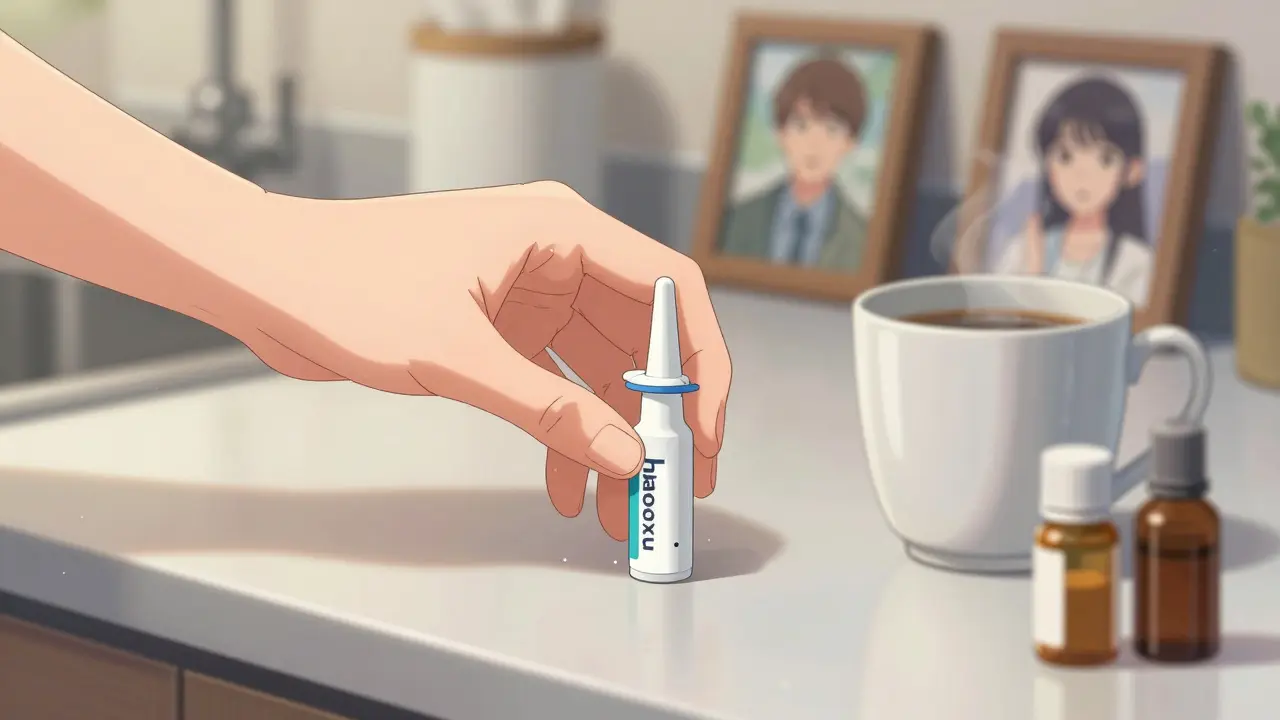
Ask for Naloxone-Like You’d Ask for a Flu Shot
Naloxone isn’t a reward for being “good.” It’s a safety tool. And it’s cheaper than ever. Since mid-2023, generic nasal naloxone costs about $25-down from $130. Many pharmacies carry it without a prescription. But your doctor can give you one, explain how to use it, and even train your family or friends. Say this: “I’d like to receive naloxone as a standard safety measure, like we do with fire extinguishers or seatbelts.” A 2021 JAMA study found patients who used this exact phrase were 62% more likely to get naloxone than those who said, “I’m worried I might overdose.” Why? Because you’re framing it as prevention-not punishment.What If Your Doctor Reacts Badly?
Some providers still hold outdated views. A 2019 study found 43% of clinicians had negative attitudes toward patients with opioid use disorder. That’s changing-but not fast enough. If your doctor says something like, “Are you using heroin?” or “You’re just looking for drugs,” here’s how to respond:- “I’m not here to get drugs. I’m here to stay alive.”
- “I’ve read the CDC guidelines. They say all patients on opioids should be offered overdose education.”
- “I’m concerned about being judged. That’s why I’m bringing this up now.”
Resources That Actually Help
You don’t have to do this alone.- SAMHSA National Helpline: 1-800-662-4357. Free, confidential, 24/7. They can help you prepare for your appointment.
- Reverse Overdose Oregon: Their free toolkit has pre-written scripts tested with real patients.
- SMART Recovery: Weekly online meetings to practice talking to doctors. Over 1,200 people join each month.
- AMA’s Patient Guide: Available in 12 languages. It’s written for patients, not just doctors.
This Isn’t About Blame. It’s About Survival.
You’re not weak for needing help. You’re smart for asking for it. Overdose doesn’t care if you’re “deserving.” It doesn’t wait for you to hit rock bottom. It doesn’t ask if you’ve been “good.” The medical system is changing. The CDC now says: Assess overdose risk for every patient on opioids, no matter who they are. That’s a policy shift. And it means you don’t have to prove you’re worthy of safety. You deserve to live. You deserve to be heard. You deserve to have a plan. Start with one sentence. Bring your list. Ask for naloxone. Say it like you mean it. Your life isn’t a last resort. It’s a priority.What if my doctor refuses to give me naloxone?
If your doctor refuses, ask why. If they say, “You don’t need it,” respond with: “The CDC recommends it for all patients on long-term opioids. Can you explain why you’re not offering it to me?” If they still say no, ask for a referral to a provider trained in addiction medicine. You can also get naloxone without a prescription at most pharmacies for under $25. You don’t need permission to protect your life.
Is it okay to mention alcohol or recreational drugs in this conversation?
Yes. Mixing alcohol or other drugs with opioids is one of the leading causes of overdose. Your doctor needs to know everything you’re using-even if you think it’s “not a big deal.” Hiding it puts you at greater risk. Doctors aren’t there to judge. They’re there to prevent death. The more honest you are, the better they can help.
Will my doctor report me if I admit to using illegal drugs?
In most cases, no. Doctors are not law enforcement. They can’t report you for drug use unless you’re a danger to yourself or others (like driving under the influence). Even then, their first step is usually to offer help, not punishment. The goal of modern medicine is treatment, not punishment. If you’re worried, you can say: “I’m sharing this so you can help me stay safe-not so I’ll get in trouble.”
How do I know if I’m at risk for overdose?
You’re at higher risk if you: take opioids daily, use higher doses than prescribed, mix opioids with alcohol or benzodiazepines (like Xanax or Valium), have a history of overdose, use drugs alone, or have other health conditions like lung disease or liver problems. But risk isn’t just about what you use-it’s about context. Even someone on a low dose can overdose if they’re tired, sick, or haven’t used in a while. If you’re unsure, ask your doctor to assess your risk. You don’t need to be “addicted” to be at risk.
Can I get naloxone if I’m not on opioids?
Yes. Naloxone can reverse overdoses from any opioid, including heroin, fentanyl, or even prescription painkillers. You don’t need to be on opioids to benefit from having it. Many people carry it because they live with someone who is, or because they use other substances. If you’re around people who use opioids, or if you’ve ever been around someone who overdosed, having naloxone is a smart safety step.
Samantha Hobbs
December 28, 2025 AT 23:31I just walked out of my doctor’s office yesterday and asked for naloxone like it was a Band-Aid. She blinked at me like I asked for a unicorn. Then she handed me two. I didn’t beg. I didn’t cry. I just said, ‘I want one like I want a flu shot.’ She didn’t argue. I’m alive because I stopped apologizing for needing safety.
Ellen-Cathryn Nash
December 30, 2025 AT 05:10Wow. Just… wow. I’m not even sure I can say this without crying. I’ve been on oxycodone for 12 years. My spine is a wreck. My husband says I’m ‘fine.’ My mom says I’m ‘weak.’ But I’ve seen my cousin die from a fentanyl-laced pill he thought was just painkillers. I brought a list to my doc last week. Didn’t say ‘addict.’ Didn’t say ‘I’m scared.’ Just: ‘Here’s what I take. What’s the risk?’ She didn’t flinch. Gave me naloxone. Told me to call if I ever felt ‘off.’ I didn’t feel judged. I felt seen. Thank you for writing this. I’m not alone anymore.
Also-yes, alcohol counts. I drink two glasses of wine every night. I didn’t think that mattered. Now I know it does. I’m cutting back. Not because I’m ‘bad.’ Because I’m smart.
Julius Hader
December 30, 2025 AT 10:20My dad was on methadone for back pain. He never told anyone he was scared. He just… stopped answering calls. Found him three days later. No one knew he was mixing it with sleeping pills. This post? It’s the one I wish I’d had back then. Not for guilt. For clarity. Doctors aren’t cops. Naloxone isn’t a moral award. It’s a tool. Like a seatbelt. If you’re driving, you buckle up. If you’re on meds? Get the tool. No shame. Just sense.
James Hilton
December 31, 2025 AT 13:46So let me get this straight. You’re telling people to treat naloxone like a fire extinguisher… but we still treat people who use drugs like arsonists? 🤦♂️
Meanwhile, my cousin in Texas got naloxone from a vending machine at the gas station. No ID. No judgment. Just $20 and a QR code. Meanwhile, my doctor still calls it ‘a last resort.’ Bro. It’s 2025. We’re still doing this?
Nicole Beasley
January 1, 2026 AT 13:09OMG I just texted my mom this article 😭
She’s been on hydrocodone for 15 years after her accident. Never said a word about being scared. I finally asked her last night: ‘Mom, do you know what naloxone is?’ She said, ‘Is that the thing that brings people back?’ I said yes. She said, ‘I thought that was only for addicts.’ I said, ‘No. It’s for people who love life.’ She cried. Then she called her doctor today. She’s getting one. I’m so proud of her.
Also-yes, mixing it with melatonin counts. I didn’t know that. 😅
Vu L
January 2, 2026 AT 08:42Look. I get it. But let’s be real. Most of these doctors are just scared of liability. They don’t care if you live or die-they care if you sue them if you OD anyway. So they give you naloxone because it’s paperwork, not because they give a damn.
And don’t even get me started on ‘person-first language.’ I’m not a ‘person with a substance use disorder.’ I’m a guy who takes pills to get through the day. Stop trying to sanitize the truth with fancy words. Just tell me how to not die.
Mimi Bos
January 2, 2026 AT 14:56so i went to my doc and said ‘can i get naloxone plz’ and she looked at me like i asked for a unicorn and then said ‘sure’ and gave me one and i was like wow
also i accidentally typed ‘naloxone’ as ‘naloxine’ in my notes and she still knew what i meant. lol
my dog is asleep on my lap. i feel safe.
Debra Cagwin
January 3, 2026 AT 08:31Every single person reading this right now? You’re already doing better than you think. You didn’t ignore the unease. You didn’t bury it. You came here. You read this. You’re looking for a way to protect yourself. That’s courage. Not weakness. That’s wisdom. Not failure.
Bring your list. Say your line. Ask for the tool. And if someone looks at you funny? Smile and say, ‘I’m not asking for permission to live.’
You’ve got this. And you’re not alone. I’ve been there. I’m here now. And I’m cheering for you.
sonam gupta
January 4, 2026 AT 05:45USA always makes everything about individual responsibility. In India we know pain is systemic. You don't ask for naloxone you ask for healthcare. This post is American individualism at its worst. Stop putting the burden on patients. Fix the system.
Also why is everyone talking about opioids when alcohol kills more people every year? Hypocrisy.
oluwarotimi w alaka
January 5, 2026 AT 02:53they want you to carry naloxone so they can keep selling you pills. this is all part of the big pharma plan. they dont care if you live or die they just want your money. the government wants you scared so youll take more drugs and then blame yourself. dont fall for it. trust no one. dont talk to your doctor. they are all in on it. i saw a video on youtube about this. its real. stay vigilant.
also why is this in english? who made you the boss of the world?