
Blood Thinner Interaction Checker
Check Your Risk
Enter your medications to see if Ginkgo biloba increases your bleeding risk
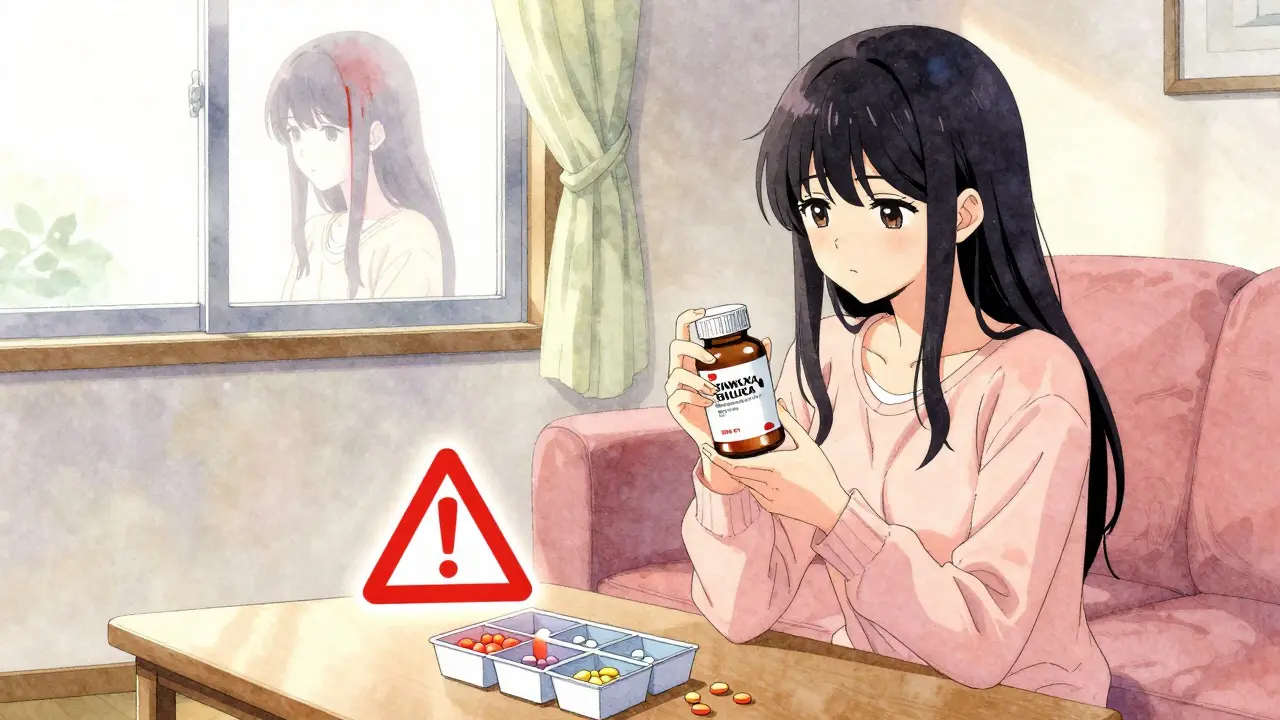
If you're taking blood thinners like warfarin, aspirin, or clopidogrel, and you're also using Ginkgo biloba for memory or circulation, you could be putting yourself at risk-without even realizing it. This isn't theoretical. People have bled internally after combining these two. One man in his 60s developed a spontaneous eye bleed after just one week of taking Ginkgo biloba with low-dose aspirin. Another woman suffered a brain hemorrhage after years of daily Ginkgo use, with no other blood-thinning meds involved. These aren’t rare outliers. They’re red flags. Ginkgo biloba is one of the most popular herbal supplements in the U.S., with over 1.5 million people using it regularly. It’s sold as a memory booster, a way to improve circulation, even for tinnitus or dizziness. But here’s the problem: it doesn’t just affect your brain. It affects your blood. The active compounds in Ginkgo biloba-flavonoid glycosides and terpene lactones-interfere with platelet aggregation. That means your blood has a harder time clotting. When you mix this with prescription blood thinners, the effect isn’t just added-it’s multiplied. The result? Uncontrolled bleeding. Warfarin is the most documented danger. Studies show Ginkgo biloba can raise INR levels, the standard measure of how long it takes your blood to clot. A higher INR means more bleeding risk. There are real case reports of people on stable warfarin doses suddenly spiking into dangerous territory after starting Ginkgo. One patient’s INR jumped from 2.8 to 6.1 in under two weeks. That’s not a coincidence. That’s interaction. But it’s not just warfarin. Ginkgo also interacts with clopidogrel (Plavix), aspirin, and even over-the-counter painkillers like ibuprofen and naproxen. These drugs already thin your blood. Add Ginkgo, and your body loses its natural safety net. Even omeprazole (Prilosec) and nifedipine (Procardia), which you might think are unrelated, have shown links to abnormal coagulation tests when taken with Ginkgo. You might be thinking: "But I’ve read studies that say Ginkgo doesn’t affect clotting." That’s true-some lab studies didn’t find changes in coagulation parameters. But those studies were short-term, controlled, and often used standardized extracts. Real life isn’t a lab. People take Ginkgo for months or years. They mix it with multiple meds. They don’t tell their doctors. The PLOS ONE study in 2023 found that while lab tests didn’t always show changes, real-world bleeding events did. The odds of bleeding went up 8% with Ginkgo use alone. With multiple blood-thinning drugs? The risk jumped even higher. The American Society of Anesthesiologists doesn’t mess around. They recommend stopping Ginkgo biloba 2 to 3 weeks before any surgery. Why? Because even minor procedures-dental work, colonoscopies, knee arthroscopies-can turn dangerous if your blood won’t clot. Some researchers suggest 36 hours might be enough based on pharmacokinetics, but that’s a gamble. Surgeons and anesthesiologists don’t want to guess. They want a buffer. Two to three weeks is the standard for a reason. If you’re on any blood thinner, don’t start Ginkgo without talking to your doctor. And if you’re already taking it? Don’t quit cold turkey without guidance. Sudden withdrawal can cause rebound effects. But you absolutely need to disclose it. Most people don’t. They think herbal means safe. They don’t list it on their medication form. They assume their pharmacist doesn’t need to know. That’s how accidents happen. The FDA doesn’t regulate supplements like prescription drugs. That means two bottles of Ginkgo from different brands can have wildly different amounts of active ingredients-or even contaminants. One study found some products contained no Ginkgo at all. Others had toxic levels of ginkgotoxin, a compound that can trigger seizures. And if you’re taking anticonvulsants? That’s another layer of risk. Ginkgo also interacts with antidepressants like fluoxetine (Prozac) and can reduce their effectiveness. It may interfere with statins like atorvastatin (Lipitor) and simvastatin (Zocor), making them less able to lower cholesterol. And if you’re on diabetes meds? Ginkgo might lower your blood sugar too far. It’s not just bleeding. It’s a domino effect. Older adults are especially vulnerable. Their livers process drugs slower. Their kidneys clear them less efficiently. Their blood vessels are more fragile. If you’re over 65 and on blood thinners, Ginkgo biloba is not worth the risk. The Mayo Clinic explicitly says: avoid it entirely if you have a bleeding disorder, are pregnant, or are over 65. What about natural alternatives? If you’re taking Ginkgo for memory, there’s no strong evidence it works better than a placebo. For circulation, walking 30 minutes a day has more proven benefits. For brain health, sleep, hydration, and managing blood pressure do more than any supplement. Bottom line: if you’re on blood thinners, Ginkgo biloba is not a harmless herb. It’s a pharmacological agent with real, documented risks. The fact that it’s sold over the counter doesn’t make it safe. It makes it dangerous because people assume it is. Don’t rely on internet forums or well-meaning friends. Talk to your pharmacist. Bring your supplement bottle to your next appointment. Ask: "Does this interact with my blood thinner?" If they say "I’m not sure," ask for a referral to a clinical pharmacist who specializes in drug interactions. They’re trained for this. Your life isn’t worth the gamble. Ginkgo biloba might be natural, but bleeding inside your brain? That’s not natural. That’s preventable.
Who Should Avoid Ginkgo Biloba Completely?
You should not take Ginkgo biloba if:- You’re taking warfarin, clopidogrel, aspirin, or any other blood thinner
- You have a history of bleeding disorders, stroke, or aneurysms
- You’re scheduled for surgery-even a dental extraction
- You’re over 65 years old
- You’re pregnant or breastfeeding
- You have seizures or are on anti-seizure medications
- You’re taking antidepressants like fluoxetine or sertraline
- You’re on diabetes medication and your blood sugar is hard to control
What to Do If You’re Already Taking Ginkgo and Blood Thinners
If you’re already combining Ginkgo biloba with blood thinners, here’s what to do:- Stop taking Ginkgo immediately-don’t wait for your next appointment.
- Call your doctor or pharmacist. Tell them exactly what you’ve been taking, how much, and for how long.
- Ask for a blood test: INR (if on warfarin), platelet count, and coagulation panel.
- Do not restart Ginkgo without explicit approval from your healthcare provider.
- Keep a written list of all supplements and OTC meds you take. Bring it to every appointment.
How Long Does Ginkgo Stay in Your System?
Ginkgo biloba has a half-life of about 6 to 8 hours, meaning most of it clears from your bloodstream within 24 to 48 hours. But its effects on platelets can linger longer. That’s why the 2- to 3-week washout period before surgery is recommended-it gives your body time to rebuild normal clotting function. Don’t assume one day off is enough.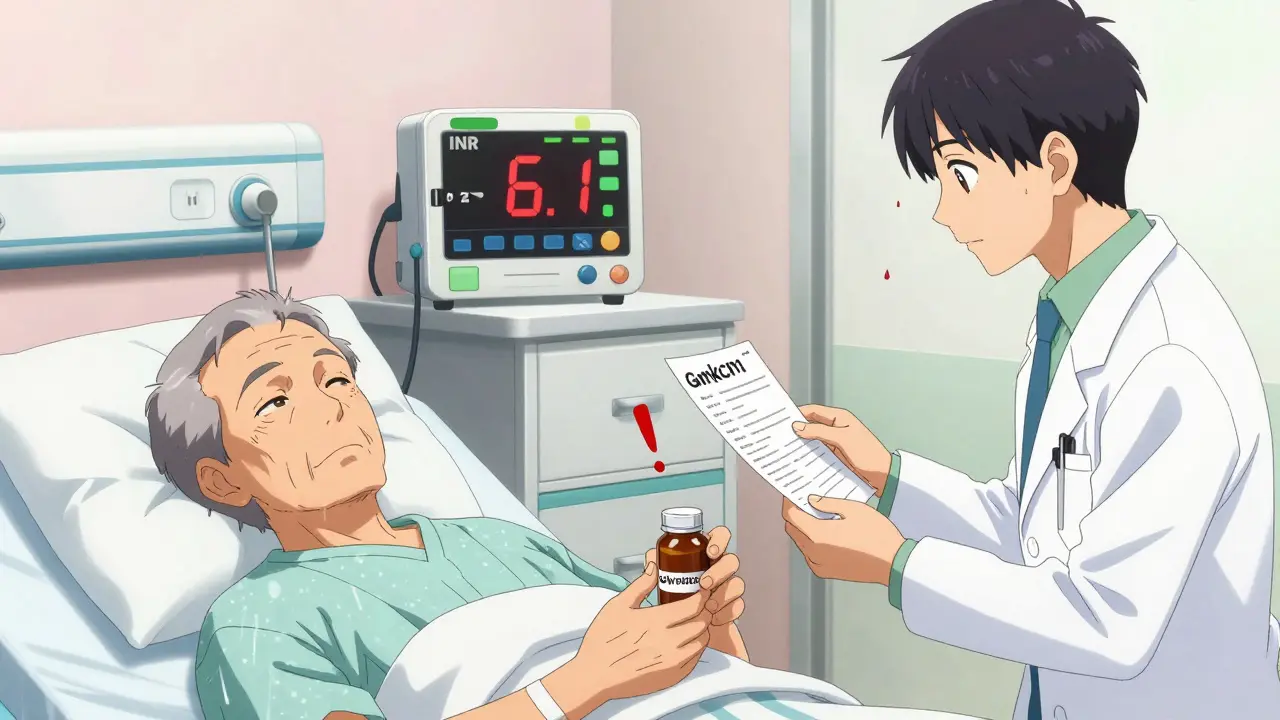
What Are Safer Alternatives to Ginkgo Biloba?
If you’re using Ginkgo for memory or circulation, consider these evidence-backed alternatives:- Exercise: Just 150 minutes of brisk walking per week improves blood flow and cognitive function.
- Omega-3 fatty acids: Found in fatty fish or high-quality fish oil, they support brain health without bleeding risk.
- Blueberries: Rich in antioxidants linked to improved memory in aging adults.
- Meditation and sleep: Both are proven to enhance focus and mental clarity without side effects.
- Controlled blood pressure and cholesterol: These matter more than any supplement for long-term brain health.
Why Do So Many People Think Ginkgo Is Safe?
Because it’s marketed as "natural" and "herbal." The supplement industry spends millions on ads that say things like "Nature’s memory booster" or "Traditional Chinese remedy." But "natural" doesn’t mean safe. Poison ivy is natural. Snake venom is natural. Ginkgo seeds are toxic if eaten raw. The truth is, herbal supplements are largely unregulated. Manufacturers don’t have to prove safety or efficacy before selling. The FDA only steps in after people get hurt. That’s backward. And most people don’t realize their pharmacist doesn’t know what’s in their Ginkgo bottle-because the label might not even tell the truth.
What to Look for on the Label
If you’re still considering Ginkgo despite the risks, at least make sure the product:- Lists "standardized extract" with 24% flavonoid glycosides and 6% terpene lactones
- Has a dose of 120-240 mg per day-no more
- Is from a reputable brand with third-party testing (USP, NSF, or ConsumerLab)
- Does not contain Ginkgo seeds or roasted seeds (poisonous)
When to Seek Emergency Care
Go to the ER immediately if you experience any of these after taking Ginkgo biloba and blood thinners:- Sudden, severe headache or dizziness
- Unexplained bruising or bleeding gums
- Blood in urine or stool
- Vision changes or eye pain
- Numbness, weakness, or confusion
Final Reality Check
Ginkgo biloba isn’t a miracle herb. It’s a drug with side effects. And when it meets blood thinners, the consequences can be deadly. You don’t need it. Your brain won’t collapse if you stop. Your circulation won’t fail. But your life? That’s another story. If you’re taking blood thinners, Ginkgo biloba has no place in your routine. Not for memory. Not for circulation. Not for "general wellness." The risks far outweigh any unproven benefits. Talk to your doctor. Tell your pharmacist. Stop taking it. Your body will thank you.Can I take Ginkgo biloba if I’m on aspirin?
No. Combining Ginkgo biloba with aspirin increases your risk of bleeding, even at low doses. Aspirin already thins your blood by stopping platelets from clumping. Ginkgo does the same thing. Together, they can cause nosebleeds, bruising, or worse-like bleeding in the brain or stomach. If you’re on daily aspirin for heart health, skip Ginkgo entirely.
How long should I stop Ginkgo before surgery?
The American Society of Anesthesiologists recommends stopping Ginkgo biloba 2 to 3 weeks before any surgery. This gives your body enough time to restore normal clotting function. Some studies suggest 36 hours might be enough, but that’s not enough for safety. Surgeons need a buffer. Don’t risk it-plan ahead.
Does Ginkgo biloba affect INR levels?
Yes. Multiple case reports show Ginkgo biloba can raise INR levels in people taking warfarin. INR measures how long your blood takes to clot. A normal range is 2.0-3.0 for most people on warfarin. If Ginkgo pushes your INR above 4.0, your bleeding risk skyrockets. Always monitor INR closely if you’ve taken Ginkgo, even once.
Is Ginkgo biloba safe for older adults?
No. Older adults are at higher risk for bleeding due to thinner blood vessels, slower metabolism, and often taking multiple medications. The Mayo Clinic advises older adults to avoid Ginkgo biloba completely. Even if you’re not on blood thinners, the risk of falls and internal bleeding increases with age. Ginkgo adds unnecessary danger.
Can I take Ginkgo biloba with fish oil?
Not safely. Fish oil also has mild blood-thinning effects. While not as strong as prescription drugs, combining it with Ginkgo biloba increases bleeding risk. If you’re using fish oil for heart health, adding Ginkgo doesn’t help-it just adds risk. Stick with fish oil alone, or choose a different supplement for memory, like omega-3s combined with exercise and sleep.
Elaine Douglass
December 19, 2025 AT 16:29Takeysha Turnquest
December 20, 2025 AT 12:53Emily P
December 21, 2025 AT 16:56Vicki Belcher
December 23, 2025 AT 00:51Jedidiah Massey
December 23, 2025 AT 05:39Lynsey Tyson
December 24, 2025 AT 00:06Sarah McQuillan
December 24, 2025 AT 23:31Laura Hamill
December 26, 2025 AT 19:54Alana Koerts
December 27, 2025 AT 08:46Dikshita Mehta
December 28, 2025 AT 15:11pascal pantel
December 30, 2025 AT 06:28Gloria Parraz
December 30, 2025 AT 15:20Sahil jassy
January 1, 2026 AT 03:09Chris Clark
January 1, 2026 AT 12:03