
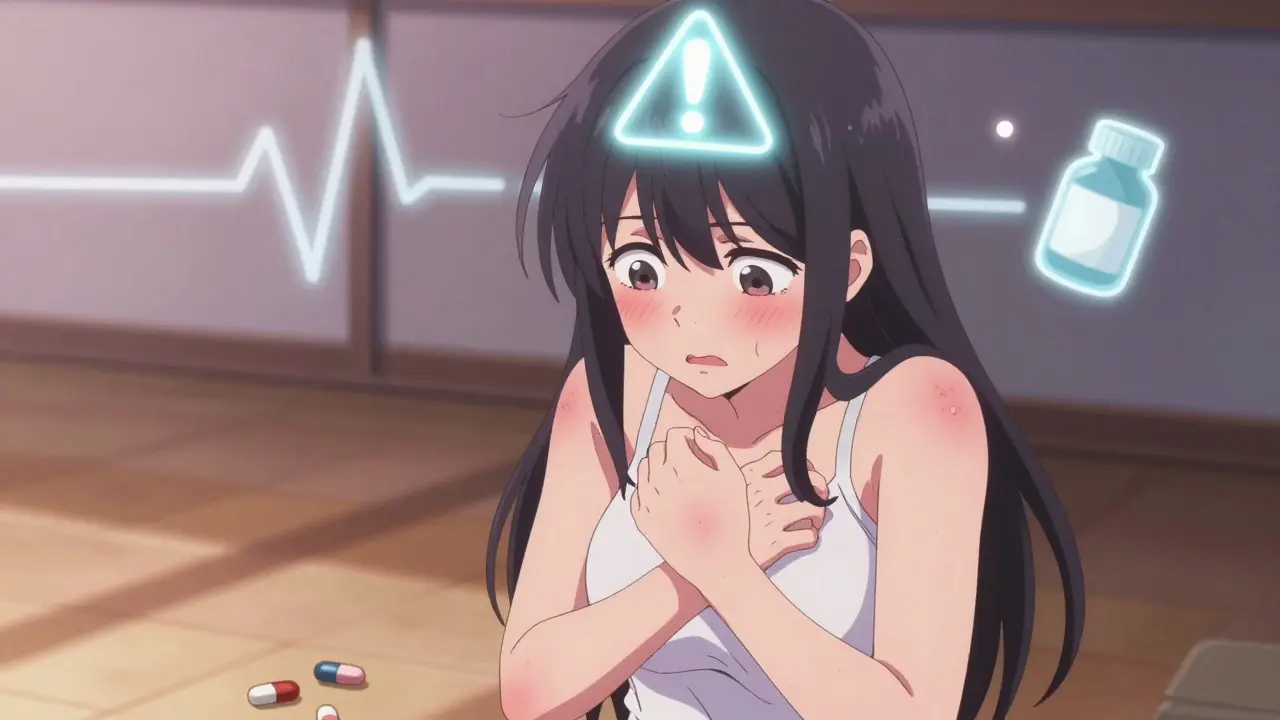
Medication Side Effect Checker
Check Your Symptoms
This tool helps you identify potentially dangerous medication side effects based on FDA guidelines. If you experience any symptoms below, follow the recommendations immediately.
Select symptoms to check your condition
When you take a new medication, it’s normal to feel a little uneasy. You’ve been told it will help, but what if it hurts instead? Not all side effects are dangerous-some are just annoying, like a dry mouth or mild drowsiness. But others? Those can turn deadly in hours. Knowing the difference could save your life.
What Makes a Side Effect Dangerous?
Most medications come with a list of possible side effects. About 35% of people experience something mild, like nausea or fatigue. But for about 0.1% of users, a reaction goes far beyond discomfort. These are the ones that land people in the emergency room-or worse.
The FDA defines a serious side effect as one that causes death, hospitalization, disability, permanent damage, or birth defects. That’s not a small risk. In 2022 alone, adverse drug reactions led to over 1.3 million emergency visits in the U.S. and nearly 128,000 deaths. The scary part? Many of these could have been stopped if the early signs had been recognized.
The Red Flags: Life-Threatening Symptoms to Never Ignore
Some symptoms are so clear they shouldn’t be debated. If you experience any of these after taking medication, act immediately:
- Difficulty breathing or feeling like your throat is closing up
- Swelling of the face, lips, tongue, or throat
- Hives or a sudden rash that spreads quickly
- Chest pain or pressure, especially if it comes on suddenly
- Heart rate over 100 beats per minute without exercise or stress
- Unusual bleeding or bruising-gums, nose, skin, or in stool
- Seizures or convulsions
- Severe vomiting or diarrhea with blood
- Yellowing of skin or eyes (jaundice) with stomach pain
- Extreme drowsiness or confusion where you can’t wake up
- Little or no urine output with swelling in legs or abdomen
These aren’t just "bad side effects." They’re signals your body is shutting down. For example, jaundice with abdominal pain can mean your pancreas or liver is failing-often from drugs like semaglutide or methotrexate. Left untreated, this can kill you in under 48 hours.
Timing Matters: How Fast Do Dangerous Reactions Happen?
Not all bad reactions come on fast. Some, like rashes or joint pain, can appear days or even weeks later. But the most dangerous ones? They strike fast.
Severe allergic reactions like anaphylaxis typically begin within minutes to an hour after taking the drug. Symptoms include rapid heartbeat (over 120 bpm), low blood pressure (below 90 systolic), dizziness, vomiting, and loss of consciousness. Mayo Clinic’s 2024 data shows anaphylaxis has a mortality rate of 0.65% to 2%. That means one in every 150 to 1500 people who experience it won’t survive without emergency treatment.
And here’s what most people don’t realize: if you have breathing trouble and skin changes together, treat it like anaphylaxis until proven otherwise. Dr. Lisa Thompson, Chief Allergist at Mayo Clinic, says this is the golden rule. Don’t wait. Don’t call your doctor tomorrow. Call 911 now.
Other Hidden Dangers You Might Miss
Some dangerous reactions don’t scream for attention. They whisper.
Serum sickness can look like the flu: fever, swollen joints, rash, nausea. It usually shows up 1-3 weeks after starting a drug. Drug-induced anemia might just make you feel tired, but it can also cause irregular heartbeat and shortness of breath. DRESS syndrome (Drug Rash with Eosinophilia and Systemic Symptoms) starts with a rash, then adds swollen lymph nodes, liver inflammation, and high white blood cell counts. Left untreated, it can destroy organs.
And then there’s nephritis-kidney inflammation from certain medications. You might notice swelling in your legs, confusion, or blood in your urine. People often think it’s just dehydration. It’s not. It’s your kidneys failing.
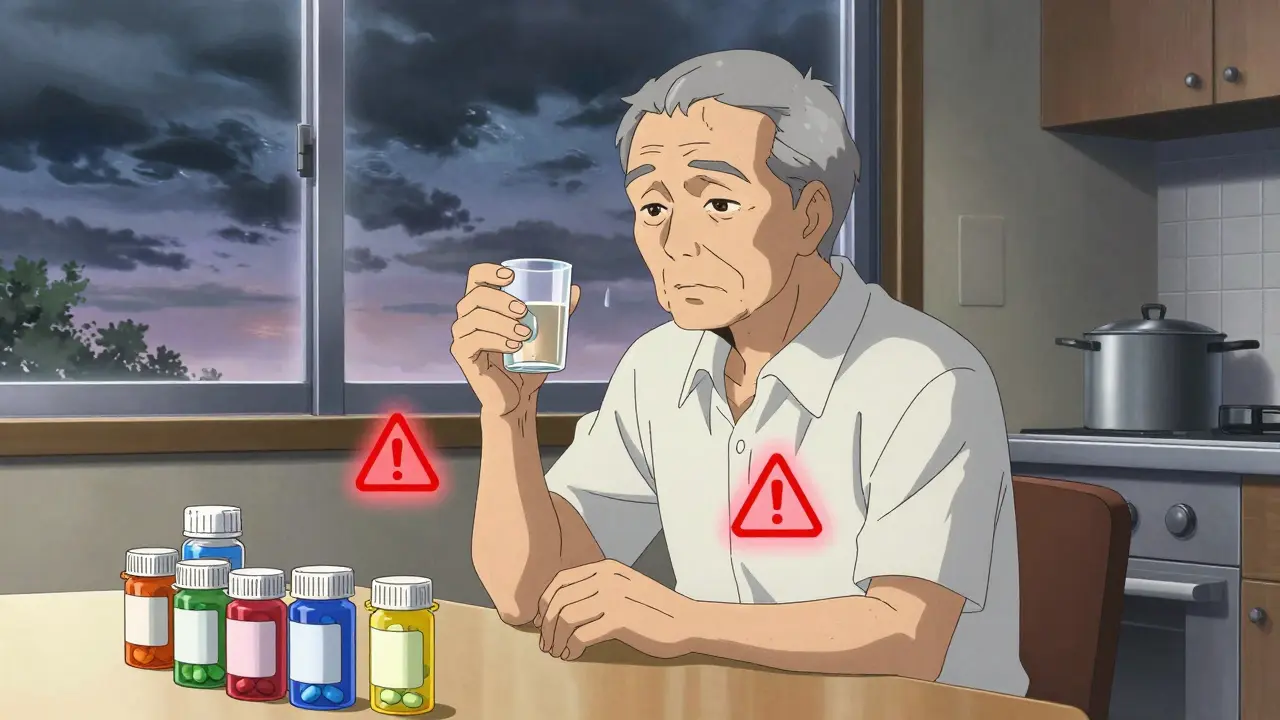
Older adults are at higher risk. One in two people over 65 takes five or more medications. That’s called polypharmacy. And according to the American Geriatrics Society, it triples your chance of a dangerous reaction. Age changes how your body processes drugs. Your liver slows down. Your kidneys don’t filter as well. What was safe at 40 can be deadly at 70.
What to Do When You Notice Something Wrong
Here’s the hard truth: never stop a prescribed medication on your own. Stopping suddenly can be just as dangerous as the side effect itself. Beta-blockers, antidepressants, and anti-seizure drugs can trigger heart attacks, seizures, or extreme withdrawal if discontinued abruptly.
Instead, follow this simple action plan:
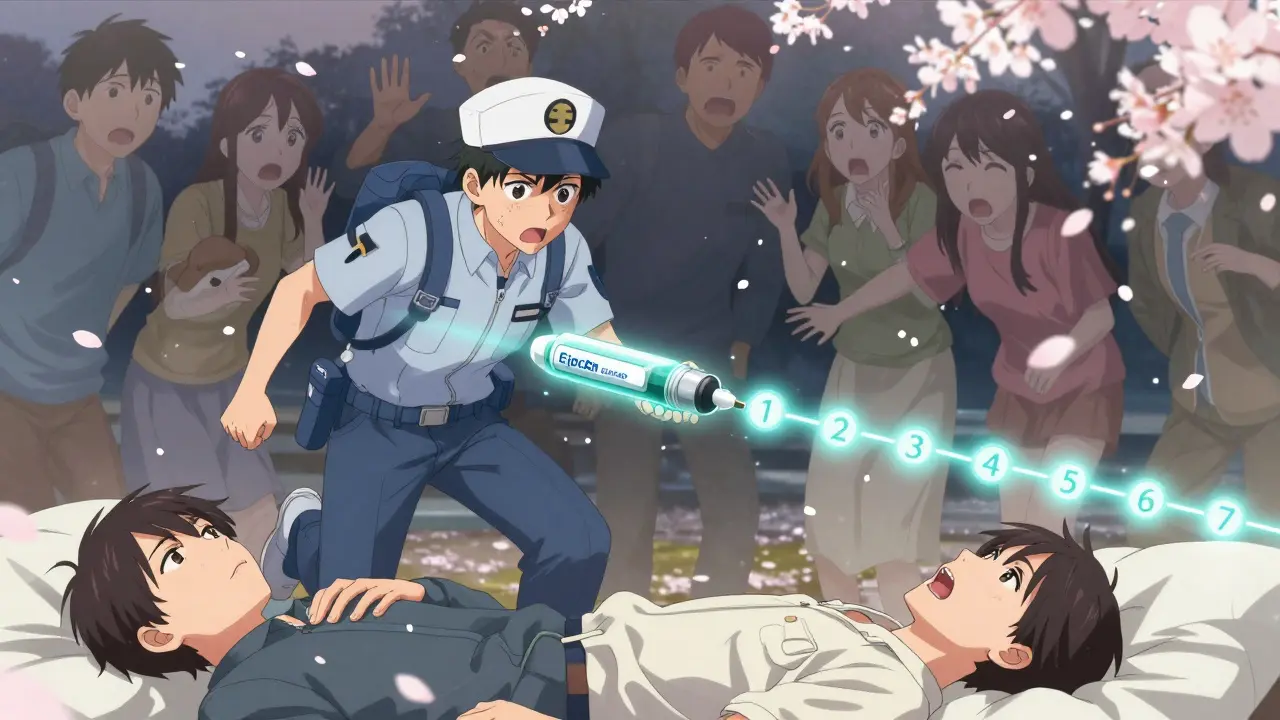
- If you have breathing trouble, swelling, chest pain, or loss of consciousness → Call 911 or go to the ER immediately. Don’t drive yourself. Don’t wait. Use epinephrine if you have an EpiPen and were told to use it.
- If you have unusual bleeding, severe vomiting, jaundice, or no urine output → Contact your doctor within 24 hours. Don’t wait until your next appointment.
- If you develop a new rash, fever, joint pain, or confusion → Make a note of when it started, what meds you took, and how it changed. Bring this to your provider.
Use the Brown Bag Method: Once a week, gather all your pills-prescription, over-the-counter, vitamins, supplements-and bring them to your doctor. Many dangerous reactions happen because of hidden interactions. For example, mixing blood thinners with herbal supplements like ginkgo or garlic can cause internal bleeding. Look-alike medications like insulin and heparin are confused 12% of the time, leading to deadly errors.
How Technology Is Helping Prevent These Reactions
It’s not just about knowing the signs. It’s about stopping them before they start.
In 2024, Mayo Clinic rolled out an AI-powered dashboard that predicts dangerous side effects with 89% accuracy. It looks at your age, weight, kidney function, and every medication you take. If you’re on a drug linked to liver damage and your lab results show early warning signs, the system flags it before you even feel sick.
The NIH’s Pharmacogenomics Research Network is testing genetic tests before prescribing. For example, if you carry a gene variant linked to severe reactions to carbamazepine (a seizure drug), you’re given an alternative. Early results show a 47% drop in serious side effects when this is done.
And by 2026, smart packaging for high-risk drugs will be mandatory. These bottles will track when you take your pill and send alerts if you miss a dose or take too much. Apple and the American Heart Association are already testing ECG watches that detect irregular heart rhythms caused by medications-before you even feel dizzy.
Final Thought: Your Body Is Talking
Medications are powerful tools. But they’re not harmless. The line between helpful and harmful is thin-and it changes for everyone.
Don’t assume your side effect is "normal" just because it’s listed. Don’t brush off a new rash because you think it’s "just allergies." Don’t wait to see if it gets worse. By the time it gets worse, it might be too late.
If you’re unsure, call your pharmacist. They’re trained to spot dangerous combinations. Ask: "Could this be something serious?" If they say yes, don’t wait. If they say no, ask for proof. Get the facts. Your life depends on it.
What are the most common dangerous side effects of medications?
The most frequently reported dangerous side effects include gastrointestinal bleeding (from blood thinners or NSAIDs), severe allergic reactions (anaphylaxis), cardiac events like irregular heartbeat or chest pain, liver or kidney damage (seen as jaundice or reduced urine output), and seizures. According to the FDA’s Adverse Event Reporting System (FAERS), these accounted for over 2.7 million reports in Q1 2024 alone.
How soon after taking a medication can a dangerous side effect occur?
Life-threatening reactions like anaphylaxis often happen within minutes to an hour. Rashes or joint pain may take days or weeks. But if symptoms appear within 1-2 hours of taking a new drug-especially breathing trouble, swelling, or chest pain-treat it as an emergency. Delaying action increases risk of death or permanent damage.
Can over-the-counter drugs cause dangerous side effects?
Absolutely. NSAIDs like ibuprofen and naproxen can cause internal bleeding, kidney damage, or heart attacks, especially in older adults. Acetaminophen (Tylenol) is the leading cause of acute liver failure in the U.S. when taken in excess. Even common supplements like St. John’s Wort or ginkgo can interact dangerously with prescription meds. Always tell your doctor what OTC drugs and supplements you take.
Is it safe to stop a medication if I think it’s causing side effects?
No. Stopping certain medications suddenly can be life-threatening. Beta-blockers can trigger heart attacks, antidepressants can cause severe withdrawal or suicidal thoughts, and anti-seizure drugs can cause status epilepticus. Always consult your doctor before stopping. They may adjust the dose, switch the drug, or monitor you safely.
Why are older adults more at risk for dangerous side effects?
As we age, our liver and kidneys process drugs more slowly. We also tend to take more medications-44% of people over 65 take five or more. This increases the chance of dangerous interactions. The American Geriatrics Society’s Beers Criteria lists 40+ medications that are risky for older adults, including antihistamines, benzodiazepines, and certain diabetes drugs.
What should I do if I suspect a medication error?
If you think you were given the wrong drug, the wrong dose, or a drug that looks like another (like insulin and heparin), stop taking it immediately. Call your pharmacist and your doctor. Report it to the FDA’s MedWatch program. Look-alike/sound-alike errors cause 12% of dangerous side effects. You’re not overreacting-you’re protecting your life.
Can genetic testing prevent dangerous side effects?
Yes. The NIH’s Pharmacogenomics Research Network found that testing for certain gene variants before prescribing drugs like carbamazepine, clopidogrel, or warfarin reduces severe reactions by up to 47%. These tests are becoming more available through specialty clinics and some primary care providers. Ask if your doctor offers pharmacogenetic screening, especially if you’ve had bad reactions before.
How can I track my medication side effects?
Keep a simple log: write down the medication name, dose, time taken, and any new symptom (even if minor). Note when it started and if it got worse. Use your phone’s notes app or a small notebook. Bring this to every appointment. Many doctors don’t ask about side effects unless you bring them up. Your log gives them the evidence they need to act.
Are there any apps or tools to help monitor medication safety?
Yes. Apps like Medisafe and MyTherapy track your pills and send alerts. Some, like Apple Health, now integrate with ECG watches to detect irregular heart rhythms caused by drugs. Mayo Clinic’s AI dashboard is used in clinics, but you can ask your provider if they use similar tools. The goal is to catch problems before you feel them.
What’s the biggest mistake people make when dealing with side effects?
Waiting. People often think, "It’ll go away," or "It’s probably nothing." But dangerous reactions don’t wait. They escalate. The average time between noticing a symptom and seeking help is 36 hours. For anaphylaxis or liver failure, you have minutes to hours-not days. Acting fast is the single most effective way to survive a dangerous reaction.
Tony Shuman
February 17, 2026 AT 00:01Logan Hawker
February 17, 2026 AT 23:33James Lloyd
February 19, 2026 AT 05:46Agnes Miller
February 20, 2026 AT 16:04Haley DeWitt
February 22, 2026 AT 07:07John Haberstroh
February 23, 2026 AT 10:01Carrie Schluckbier
February 24, 2026 AT 00:11Liam Earney
February 24, 2026 AT 10:36guy greenfeld
February 24, 2026 AT 12:16Adam Short
February 25, 2026 AT 18:48Sam Pearlman
February 27, 2026 AT 13:02Steph Carr
February 28, 2026 AT 08:14Brenda K. Wolfgram Moore
February 28, 2026 AT 09:19