

When someone is diagnosed with ALS, the focus quickly shifts from treatment to care. There’s no cure, but two interventions stand out as life-changing: noninvasive ventilation (NIV) and proper nutrition. These aren’t optional extras-they’re the backbone of survival and quality of life. For many, using NIV and getting a feeding tube can mean the difference between months and years, between struggling to breathe at night and sleeping through it, between losing weight rapidly and holding onto strength.
Why Noninvasive Ventilation Matters in ALS
ALS doesn’t just weaken your arms or legs. It slowly paralyzes the muscles that control breathing. As the diaphragm weakens, you start gasping for air-especially at night. Morning headaches, daytime sleepiness, and waking up out of breath aren’t just annoyances; they’re signs your body isn’t getting enough oxygen.
Noninvasive ventilation steps in with a simple device: a mask that fits over your nose or mouth, connected to a machine that pushes air into your lungs. It doesn’t require surgery. It doesn’t involve a tracheostomy. It works by giving your lungs a boost when your muscles can’t. Most people start with a bilevel device (BiPAP), which delivers higher pressure when you inhale and lower pressure when you exhale. This makes breathing feel more natural.
Studies show that starting NIV early can add an average of 7 months to your life. One study found that people who used NIV lived 453 days on average, compared to just 215 days without it. That’s more than a year of extra time. And it’s not just about living longer-it’s about living better. People who stick with NIV report fewer morning headaches, deeper sleep, and more energy during the day. One ALS forum survey found 87% of regular users saw a drop in morning headaches within four weeks.
When to Start NIV-And Why Timing Is Everything
Doctors don’t wait until you’re gasping for air. Guidelines from Canada, Europe, and the American Academy of Neurology recommend starting NIV when your forced vital capacity (FVC) drops below 80% of normal, or when you have symptoms like daytime sleepiness, trouble sleeping, or morning headaches. These signs often show up before your lung numbers crash.
But here’s the problem: insurance in the U.S. often won’t cover NIV unless your FVC is below 50%, your sniff nasal pressure is under 40 cm H₂O, or your maximum inspiratory pressure is below -60 cm H₂O. That means many people wait too long-until they’re already struggling. By then, the benefits are reduced. The earlier you start, the better your body adapts. And adaptation is key.
Many patients struggle at first. The mask feels tight. The air pressure feels unnatural. Skin redness and sores are common. But with support, most get through it. A 2019 study found that while only 20 out of 30 days of use was typical in the first month, by the end of a year, most people were using it 27.5 days a month. The key? Having a respiratory therapist walk you through mask fitting, pressure adjustments, and troubleshooting. Don’t give up after one bad night. It takes time.
The Two Types of NIV Devices-And Which One Fits Your Needs
Not all machines are the same. There are two main types:
- Standard BiPAP machines: These are the most common. They’re designed for nighttime use, cost $1,200-$2,500, and need new masks every 3-6 months ($100-$300). They work great for early-stage ALS.
- Portable ventilators like the Trilogy 100/106: These are heavier-duty, battery-powered devices that can be used day and night. They offer volume control, dual backup rates, and built-in oxygen monitoring. They weigh less than 12 pounds and last 8-12 hours on a charge. They cost $6,000-$10,000 but give you freedom to move around, eat, or sit up without being tethered to a machine. ALS users rate them 4.2 out of 5 for comfort and usability-higher than standard BiPAPs.
As ALS progresses and breathing gets harder, many people switch from BiPAP to a portable ventilator. You don’t have to wait until you’re in crisis. Talk to your care team early about your options. The Trilogy isn’t just for nighttime-it can help you breathe easier while eating, talking, or watching TV.

Nutrition in ALS: Why Weight Loss Is a Medical Emergency
Swallowing becomes harder as ALS affects the muscles in your throat. Food gets stuck. Chewing takes too long. You tire out before you finish a meal. And then you start losing weight-fast. Losing more than 5% of your body weight in a month isn’t just inconvenient. It’s dangerous.
Weight loss in ALS isn’t just about calories. It’s about survival. Studies show that people who lose weight quickly have shorter lifespans. The American Academy of Neurology says that if your BMI drops below 18.5 or your FVC falls below 50%, you’re at higher risk. That’s why nutrition isn’t a side note-it’s part of your treatment plan.
The best solution for many is a PEG tube: a feeding tube placed directly into the stomach through a small procedure. It’s not as scary as it sounds. It’s done under light sedation, takes less than an hour, and most people go home the same day. Once it’s in, you can get all your calories, protein, and fluids directly into your stomach-even if you can’t swallow.
One study found that without a PEG tube, people with ALS lost an average of 12.6% of their body weight over six months. With a PEG, that dropped to just 0.5%. That’s not a small difference-it’s the difference between staying strong enough to use your NIV machine and being too weak to even hold your head up.
And the survival benefit? Adding a PEG tube adds about 120 days to life expectancy. But here’s the catch: it works best when done before your breathing gets too weak. If your FVC is below 50%, the procedure becomes riskier. That’s why doctors push for it early-even if you’re still eating okay. Waiting until you’re starving is too late.
Putting It All Together: The Power of Combined Care
NIV and nutrition aren’t separate issues. They’re linked. If you’re malnourished, your breathing muscles weaken faster. If you’re struggling to breathe, you can’t eat well. But when you do both-start NIV early and get a PEG before your weight drops-you’re not just adding months. You’re adding quality.
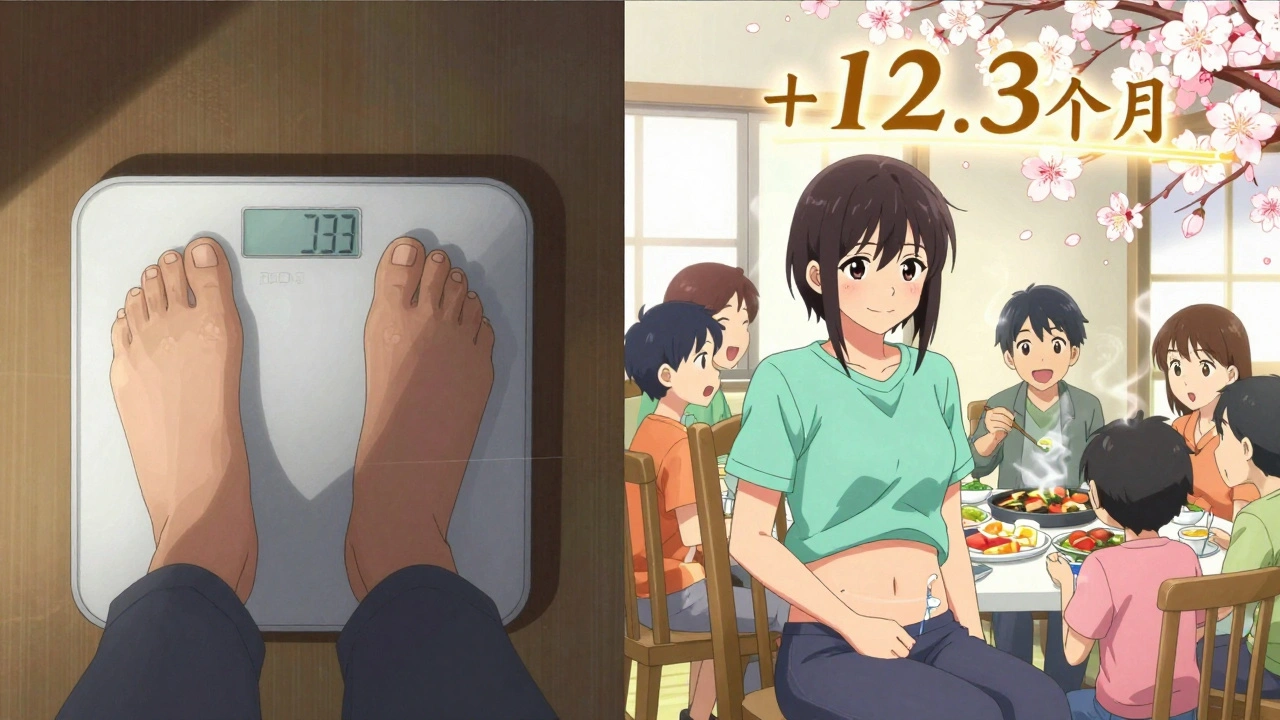
A 2013 study tracking ALS patients across multiple countries found that those who received coordinated care-including NIV and PEG-lived 7.5 months longer than those who didn’t. A 2021 global analysis showed an even bigger jump: 12.3 months longer when both interventions were used together.
That’s not luck. That’s science. And it’s available to anyone who asks for it.
What Real People Say About NIV and PEG
Online ALS communities are full of stories. One man in Ohio started NIV after his wife noticed he was snoring loudly and waking up tired. Within two weeks, his headaches vanished. He started reading again. He went to his grandson’s soccer game without needing a nap afterward.
A woman in Oregon got her PEG tube after losing 15 pounds in three months. She was scared of the procedure. But after, she gained back 8 pounds in six weeks. She started cooking again-not to eat, but to enjoy the smell, the routine, the connection. She still eats small meals by mouth, but now she doesn’t worry about choking.
Others talk about the hard parts: mask leaks, skin irritation, the emotional weight of accepting help. But the common thread? Almost everyone who stuck with it says the same thing: "I wish I’d done it sooner."
Common Barriers-and How to Overcome Them
Not everyone succeeds with NIV or PEG. Here’s why-and how to fix it:
- Mask discomfort (63% of non-adherent users): Try different mask types-nasal pillows, full-face, hybrid. Work with your respiratory therapist to adjust straps. Silicone cushions and mask liners help with skin breakdown.
- Difficulty exhaling (38%): Your pressure settings may be too high. A skilled therapist can adjust IPAP and EPAP levels. Some machines have ramp features that slowly increase pressure as you fall asleep.
- Feeling like a burden: Many people resist PEG because they don’t want to be "dependent." But it’s not about giving up-it’s about keeping your strength. You’re not losing control; you’re taking it back.
- Insurance delays: If your insurer denies NIV, ask for a letter of medical necessity from your neurologist. Cite the AAN guidelines. Appeal. Many approvals come after the first denial.
Don’t let fear or bureaucracy stop you. These tools exist because they work. And they’re not just for the end stage-they’re for living well right now.
What Comes Next?
ALS care is moving toward personalized timing. Researchers are now using AI to predict who will benefit most from early NIV based on breathing patterns, muscle strength, and even voice changes. New devices are being developed with built-in CO₂ monitors to automatically adjust pressure based on your blood gases.
But right now, you don’t need the future. You need the present. If you or someone you love has ALS, ask your care team:
- "What’s my FVC?"
- "Am I showing signs of breathing trouble?"
- "Has my weight dropped more than 5% in the last month?"
- "Can we talk about NIV and PEG now-not later?"
These aren’t scary questions. They’re survival questions. And the answers can change everything.
Can noninvasive ventilation be used during the day, not just at night?
Yes. While many people start with nighttime use, as ALS progresses, daytime breathing becomes harder. Portable ventilators like the Trilogy 100/106 are designed for full-day use. They’re lightweight, battery-powered, and allow you to sit up, eat, or talk while getting ventilatory support. Using NIV during the day can reduce fatigue, improve speech, and make eating easier.
Is a feeding tube only for people who can’t swallow at all?
No. A PEG tube isn’t just for when swallowing is impossible. It’s often used when eating becomes too tiring, slow, or risky. Many people with ALS still eat small meals by mouth but use the tube to supplement calories, protein, and fluids. This helps maintain weight and energy without forcing them to finish large meals. It’s a tool for safety and sustainability-not a last resort.
Does using NIV mean I’m giving up on other treatments?
Not at all. NIV and PEG are supportive care-they don’t cure ALS, but they help you live better with it. Many people on NIV continue physical therapy, speech therapy, and participate in clinical trials. Using these tools doesn’t mean you’re accepting defeat; it means you’re taking control of your daily life. They’re about preserving function, not ending it.
What if I’m worried about the cost of NIV or PEG?
Most insurance plans, including Medicare and Medicaid, cover NIV devices and PEG procedures when medically necessary. If you’re denied, ask for a letter of medical necessity from your neurologist citing the American Academy of Neurology guidelines. Many ALS clinics have social workers who help with appeals and equipment loans. Nonprofits like the ALS Association also offer grants for masks, tubing, and portable ventilators.
Can I still eat normally after getting a PEG tube?
Yes. Getting a PEG tube doesn’t mean you have to stop eating by mouth. Many people continue to enjoy small meals for taste, social connection, and comfort. The tube just ensures they get enough calories and nutrition even if they can’t finish a full meal. It’s a safety net, not a replacement.
Francine Phillips
December 3, 2025 AT 19:14I just started BiPAP last week and it’s already night and day.
Makenzie Keely
December 4, 2025 AT 01:52Let me tell you something-NIV isn’t a luxury, it’s a lifeline. I’ve seen friends go from barely sleeping to watching Netflix at 2 a.m. because they’re not gasping for air. And the mask? Yeah, it feels weird at first. But after three weeks of tweaking straps and trying nasal pillows instead of full-face, I forgot I was wearing it. Your respiratory therapist isn’t just a technician-they’re your MVP. Don’t skip the follow-ups. And if insurance gives you grief? Send them the AAN guidelines. They don’t get to decide what keeps you breathing.
Also-PEG tubes. I know it sounds like the end, but it’s not. My cousin lost 18 pounds in two months. She cried every time she ate. Got the tube, gained back 12 in six weeks, started cooking again just to smell the garlic bread. She still eats bites by mouth. The tube just makes sure she doesn’t starve while she’s trying to live. That’s not surrender. That’s strategy.
And yes, you can use it during the day. I wear my Trilogy while I’m writing emails, eating soup, even talking to my grandkids. It’s not a death sentence-it’s a freedom device. Stop waiting for ‘when it gets worse.’ Start when it’s just a little harder. Your future self will thank you.
And for the love of all things holy-don’t let cost stop you. Medicare covers it. The ALS Association has grants. Local clinics have loaner machines. You’re not asking for charity-you’re asking for your right to breathe. Fight for it.
Katherine Gianelli
December 5, 2025 AT 07:20Hey I just wanna say-this post made me cry not because it’s sad but because it’s so damn true. I’ve been helping my brother navigate ALS for two years now and I’ve watched him go from stubbornly refusing the mask to sleeping through the night for the first time in a year. It’s not glamorous. It’s not pretty. But it’s powerful.
The first time he used the BiPAP he said it felt like a dragon breathing for him. I laughed. Then he cried. Then we both cried. Because for the first time in months-he didn’t wake up exhausted.
And the feeding tube? He was terrified. Thought it meant he was giving up. But now he says it’s the thing that let him keep going to his book club. He still eats a bite of chocolate cake with his fingers. The tube just makes sure he doesn’t have to choose between eating and surviving.
You’re not losing control. You’re taking it back. One breath. One sip. One meal at a time.
And if you’re scared? You’re allowed to be. But don’t let fear write your story. Let science and support do that.
Joykrishna Banerjee
December 6, 2025 AT 15:50These so-called "life-extending" interventions are merely palliative band-aids on a terminal disease. The entire ALS care paradigm is a $20 billion industry built on false hope. Why not invest in gene therapy instead of pushing BiPAPs and PEGs like they’re miracle cures? You’re not extending life-you’re extending suffering. And let’s not forget: the Trilogy 100 costs more than a used car. Who exactly is this for? The insured elite? The rest of us are left gasping in the dark.
Also, "eating for comfort"? That’s sentimental nonsense. Nutrition is biochemistry, not therapy. Stop romanticizing tube feeding.
Myson Jones
December 8, 2025 AT 04:53While I appreciate the compassionate tone of this piece, I must emphasize the importance of adhering to evidence-based clinical pathways as delineated by the American Academy of Neurology. The data supporting early NIV initiation at FVC <80% is robust, yet implementation remains inconsistent across healthcare systems due to structural barriers. Furthermore, the economic burden of portable ventilators, while substantial, must be contextualized within the broader framework of long-term care cost avoidance. A 12.3-month survival advantage, when paired with improved quality-of-life metrics, represents a compelling cost-effectiveness ratio. We must advocate not only for patient access but for policy reform that aligns reimbursement with clinical guidelines.
parth pandya
December 8, 2025 AT 14:33hey i had the trilogy 100 for 6 months and it saved my life. the mask gave me sores at first but my rt helped me get the right one. i use it while i eat now and i can actually taste my food again. dont listen to the people who say its too much. you just need time. and if ur insurnace says no? call the als association they helped me get mine free. p.s. pegg is not scary i did it in 45 min and went home same day. i still eat pizza by mouth. the tube just makes sure i dont get weak. you got this.
Albert Essel
December 9, 2025 AT 01:16There’s a quiet dignity in these interventions-not because they cure, but because they honor the person behind the diagnosis. NIV and PEG aren’t about prolonging death. They’re about preserving the ability to laugh at a bad joke, to hold a grandchild’s hand, to feel the warmth of sunlight on your face while breathing without effort. The fear isn’t in using them-it’s in waiting too long. And the tragedy isn’t in needing help-it’s in believing you shouldn’t ask for it.
Every time someone says, "I wish I’d done it sooner," it’s a reminder: this isn’t about giving up. It’s about choosing to live, fully, while you still can.
Charles Moore
December 10, 2025 AT 01:02I’ve worked with over 150 ALS families and I’ve seen this pattern over and over: the ones who wait until they’re barely hanging on are the ones who regret it. The ones who start NIV when they still have energy? They’re the ones who take their dogs for walks, who go to their kid’s graduation, who cook Thanksgiving dinner even if they only eat one bite.
And the PEG? It’s not a surrender. It’s a reprieve. It’s the thing that lets you stop worrying about choking during dinner with your spouse. It’s the thing that lets you enjoy the smell of coffee without being too tired to drink it.
These aren’t medical procedures. They’re acts of love-for yourself, and for the people who love you.
Don’t wait for crisis. Act in grace.
Gavin Boyne
December 11, 2025 AT 11:48Oh wow, another glowing ode to the ALS industrial complex. Let me guess-next you’ll tell us that wearing a mask to sleep is the new yoga and getting a feeding tube is the ultimate self-care ritual. How quaint.
Let’s be real: this isn’t about science. It’s about guilt. Guilt that we can’t cure ALS, so we shove machines and tubes down people’s throats to make ourselves feel like we’re doing something. Meanwhile, the real breakthroughs-gene silencing, stem cells-are underfunded because they’re expensive and uncertain.
And yet, here we are, celebrating a 7-month extension like it’s a birthday present. I’m not saying these tools don’t help. I’m saying we’re celebrating the wrong thing. We should be mourning the fact that we’re still this far behind.
But hey, at least you can sleep through the night. And that’s worth a TED Talk.
Rashi Taliyan
December 12, 2025 AT 13:41My mother got her PEG tube the day before her FVC dropped below 50%. They told her it was risky. She said, "I’d rather risk the procedure than risk not being here to hear my granddaughter say ‘I love you’ for the first time."
She lived 14 more months. She watched her first Christmas with her grandkids. She ate one bite of pie. She smelled her favorite jasmine candle.
She didn’t die because she got the tube. She lived because she chose to.
Don’t wait until you’re too weak to choose. Choose while you still can.